Low-volume manufacturing allows businesses to produce smaller batches of parts without immediately committing to large-scale production. It can support product testing, initial market launches, bridge production, and ongoing demand for specialized products.
However, a smaller order does not automatically make a project simpler or less expensive per part. Before choosing low-volume production, consider your required quantity, design, materials, quality expectations, delivery schedule, and plans for future production.
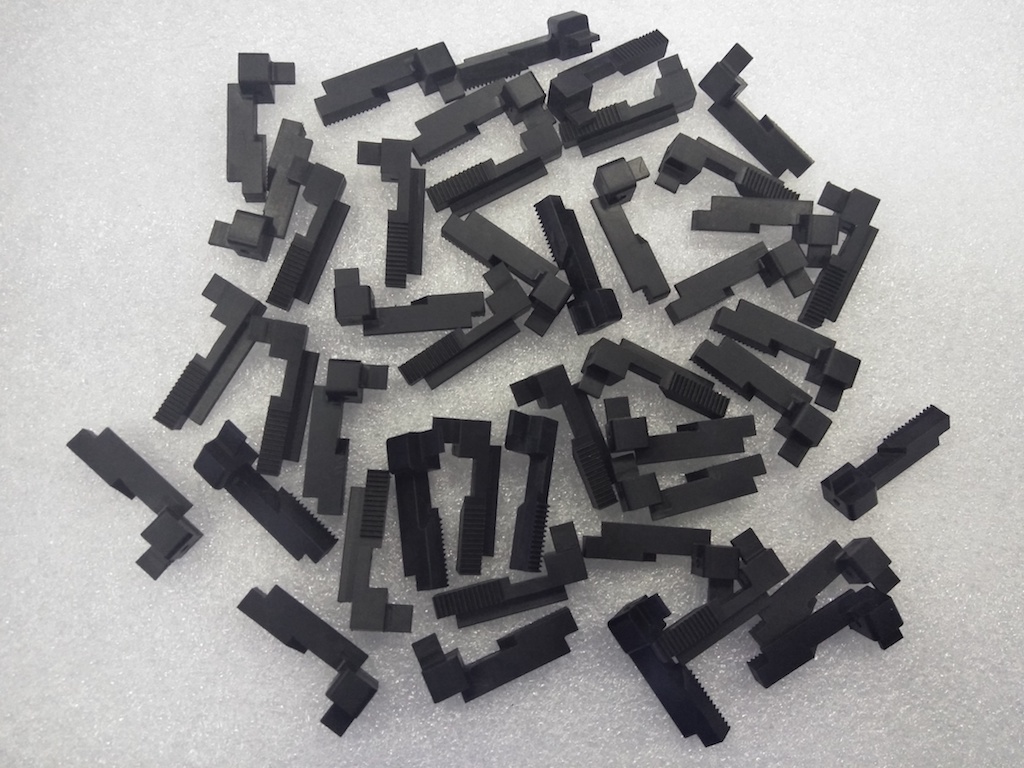
Start by defining how many parts you need for the first order and how often you expect to reorder. A one-time batch for product validation may require a different manufacturing approach from a recurring order for an established product.
Compare the total cost of each option, including setup, tooling, materials, finishing, and inspection. Processes with lower upfront costs can be attractive for small batches, while tooling-based processes may become more economical as demand increases.
Avoid selecting a process based only on the initial quantity. Share your expected future demand with the manufacturer so that the proposed approach can account for both immediate requirements and potential repeat orders.
Design complexity affects cost and feasibility at any production volume. Thin walls, deep cavities, undercuts, tight internal corners, and features that are difficult to access may require additional manufacturing steps or design adjustments.
For example, CNC machining requires suitable tool access, while 3D printing and molding processes have their own design constraints. A complex part should therefore be evaluated against the capabilities of the proposed process rather than assumed to be suitable simply because the order is small.
A design for manufacturability (DFM) review before production can help identify features that may increase cost, extend lead time, or make consistent quality harder to achieve.
Choose materials according to how the part will be used. Relevant requirements may include strength, stiffness, temperature resistance, chemical exposure, appearance, and compatibility with mating components.
Material availability also depends on the manufacturing process. A prototype made from a material with similar properties to the intended production material may be useful for appearance or assembly checks, but it should not automatically be treated as equivalent for functional testing.
When requesting a quote, specify the required material grade where possible. If alternatives are acceptable, explain which performance requirements must be maintained.
Low-volume production can help businesses introduce a product without ordering more stock than they can confidently sell. Smaller batches also provide an opportunity to gather customer feedback before committing to larger orders.
However, market size alone should not determine the manufacturing method. Consider demand uncertainty, storage costs, reorder lead times, and the consequences of running out of stock.
For products with limited but steady demand, small-batch manufacturing may remain a long-term production strategy rather than a temporary step toward mass production.
Producing smaller batches can reduce the amount of inventory affected by a design change. This can be useful when a product is still undergoing testing or when customer feedback may lead to revisions.
Nevertheless, changes are not necessarily free. A revised design may require updated machining programs, new fixtures, replacement master patterns, mold modifications, or additional inspection work. The impact depends on the process and the extent of the revision.
Before placing an order, confirm the design revision to be manufactured and discuss how potential changes would affect cost and delivery.
Low production volume does not reduce the need for clear quality requirements. Identify the dimensions, surfaces, and features that are critical to the part's function.
Specify tolerances according to actual assembly and performance needs rather than applying unnecessarily tight requirements to every feature. Also clarify surface finish, cosmetic expectations, and any inspection documentation required before shipment.
For a new design, reviewing an initial sample before completing the remaining batch can help identify issues early. Agree on the sample approval process with the manufacturer before production begins.
A production schedule should account for more than the time needed to make the parts. Material sourcing, tooling preparation, finishing, inspection, and shipping can all affect the final delivery date.
If the project is intended to bridge the gap between prototyping and mass production, confirm whether the selected material and process will support the next stage. Moving to a different production method may require further design changes and validation.
The aim is not simply to produce a small batch quickly, but to choose an approach that meets current requirements without creating avoidable problems for future production.
The right manufacturing approach depends on the combination of quantity, geometry, material, quality requirements, and budget. CNC machining, 3D printing, vacuum casting, and tooling-based production each offer different advantages and limitations.
To obtain a useful quotation, provide your CAD files, available drawings, required quantity, material specifications, critical tolerances, finishing requirements, and target delivery date. Include expected repeat orders or future volume increases where relevant.
NICE Rapid can review your project requirements and discuss suitable options for prototype and low-volume production. Submit a quote request or email enquiry@nice-rapidtooling.com with your project details.
Original article source: Factors to Consider in Low-Volume Production.


