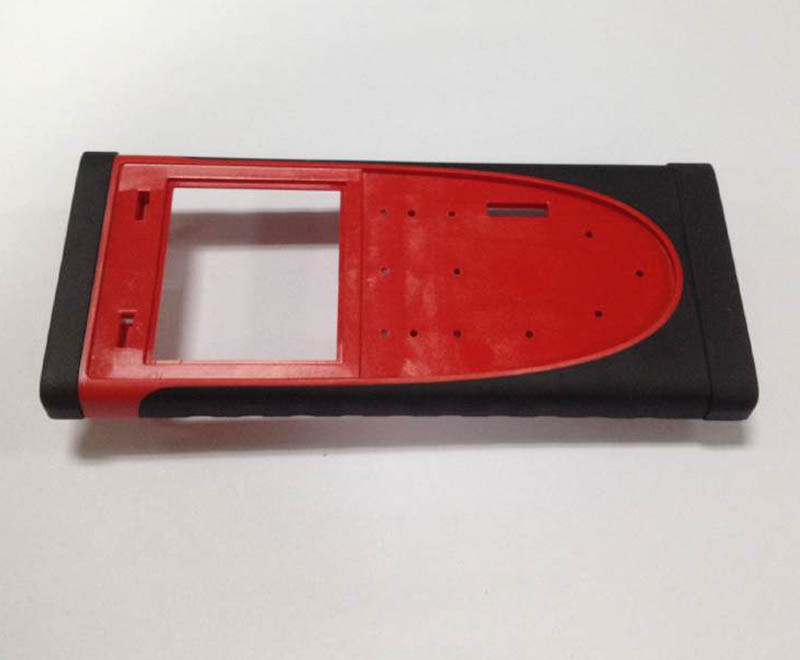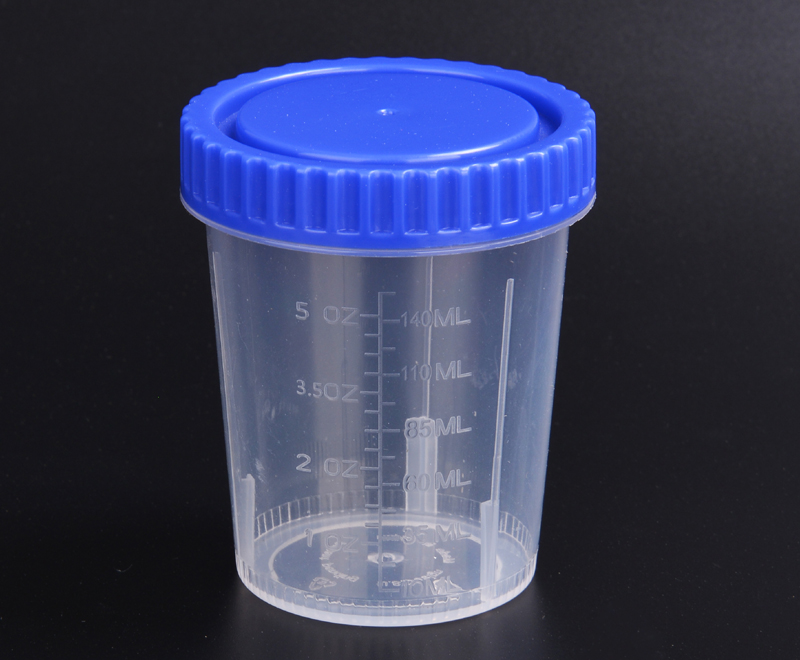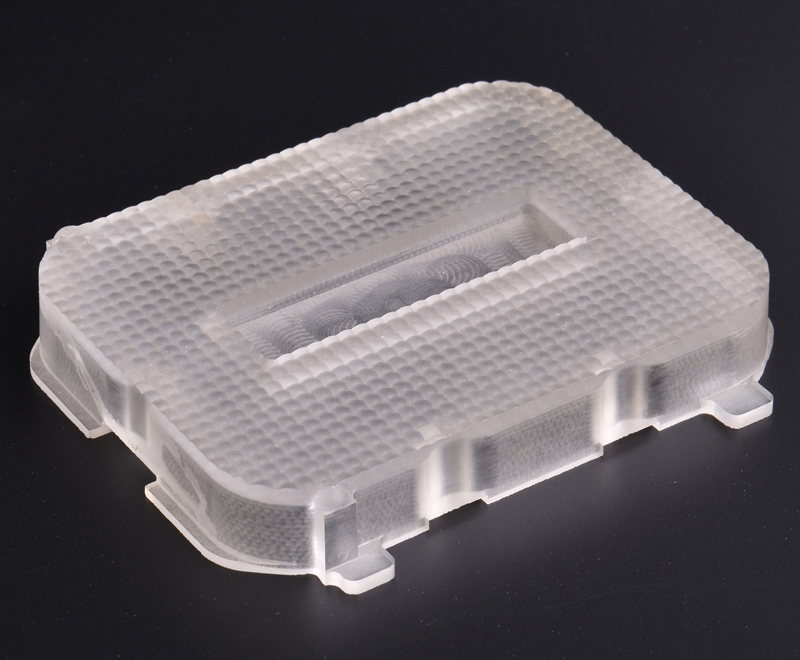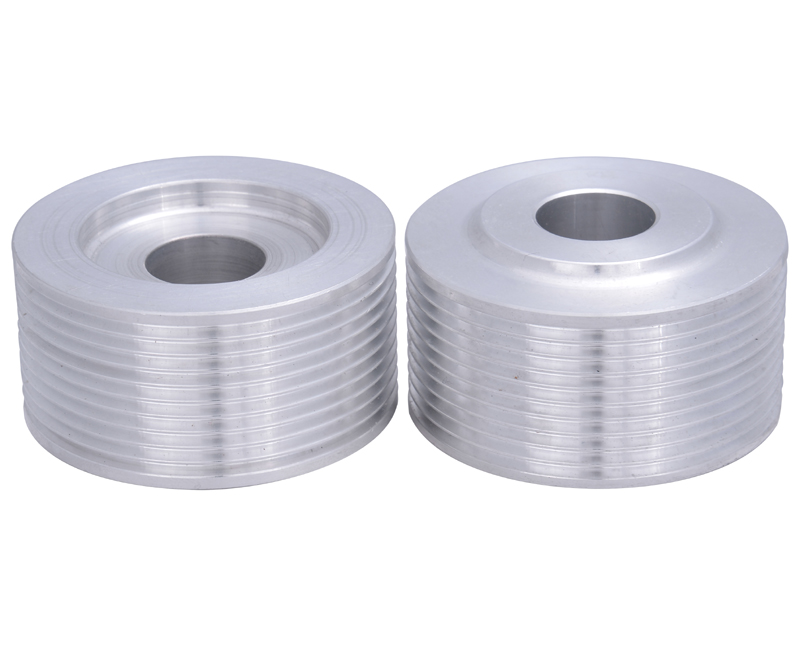
 NICE Rapid supports rapid prototyping for custom plastic and metal parts used
in product development, fit and function testing, assembly validation, and
low-volume production. Depending on part geometry, material requirements,
quantity, tolerances, surface finish, and target delivery date, suitable
processes may include CNC machining, vacuum casting, SLS, and SLA 3D printing.
NICE Rapid supports rapid prototyping for custom plastic and metal parts used
in product development, fit and function testing, assembly validation, and
low-volume production. Depending on part geometry, material requirements,
quantity, tolerances, surface finish, and target delivery date, suitable
processes may include CNC machining, vacuum casting, SLS, and SLA 3D printing.
NICE Rapid reviews 3D files and project requirements to recommend a manufacturing route that balances cost, lead time, material performance, and part quality for each prototype project.
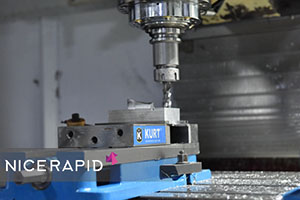 CNC machining is used for concept models, functional prototype parts, and
low-volume production components in plastics and metals. Parts are machined
directly from 3D CAD data, with typical lead times of 7 to 10 days for
several parts, including air shipping.
CNC machining is used for concept models, functional prototype parts, and
low-volume production components in plastics and metals. Parts are machined
directly from 3D CAD data, with typical lead times of 7 to 10 days for
several parts, including air shipping.
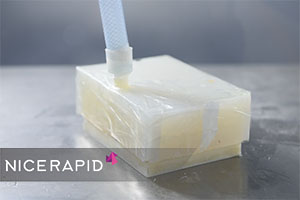 Vacuum casting is commonly used when a low volume of parts is required based
on a 3D CAD model. Cast polyurethane materials can approximate the properties
of injection-moulded plastics such as ABS, PC, PA, POM, PP, TPE, and TPR
rubbers.
Vacuum casting is commonly used when a low volume of parts is required based
on a 3D CAD model. Cast polyurethane materials can approximate the properties
of injection-moulded plastics such as ABS, PC, PA, POM, PP, TPE, and TPR
rubbers.
SLS uses a laser to sinter powdered material layer by layer, typically using nylon-based materials. SLS parts can be accurate and more durable than SLA parts, but the as-built surface has a grainy or sandy texture that may require post-processing for cosmetic applications.
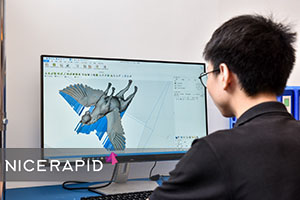 SLA is an additive manufacturing process that uses a UV laser to cure liquid
resin layer by layer. SLA was one of the first rapid prototyping technologies
and is widely used for high-resolution visual prototypes and detailed models.
SLA is an additive manufacturing process that uses a UV laser to cure liquid
resin layer by layer. SLA was one of the first rapid prototyping technologies
and is widely used for high-resolution visual prototypes and detailed models.
Material selection depends on mechanical, thermal, chemical, and cosmetic requirements, as well as the intended use of the prototype. NICE Rapid reviews resin data, metal grades, and surface expectations before confirming the manufacturing process.
Rapid prototyping at NICE Rapid supports quantities from one-off concept models to low-volume production runs of hundreds or thousands of units. Lead times depend on part complexity, quantity, material, surface finish, and shipping method.
For rapid prototyping enquiries, the following information helps support an accurate quotation and manufacturing review:
If you have a rapid prototyping project, you can submit a Request a Quote enquiry with your part files and requirements.