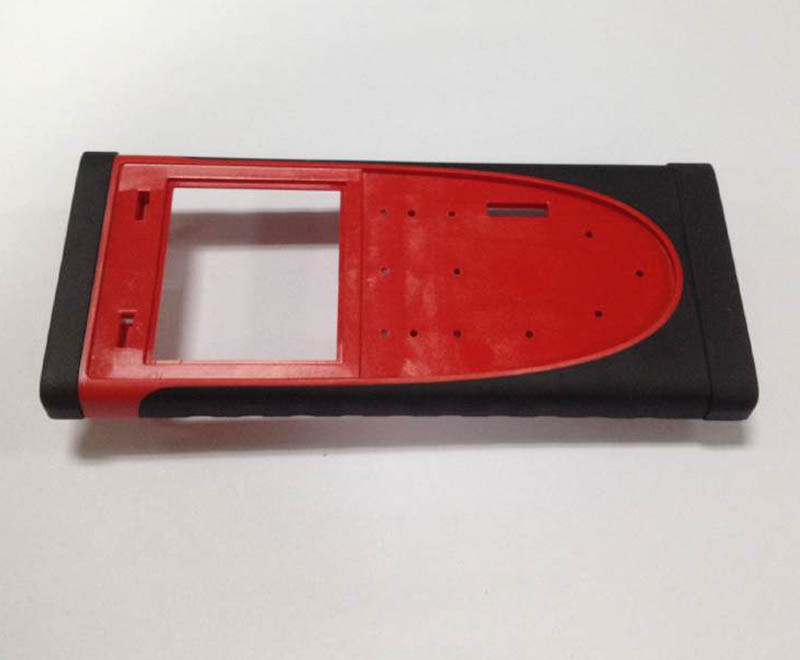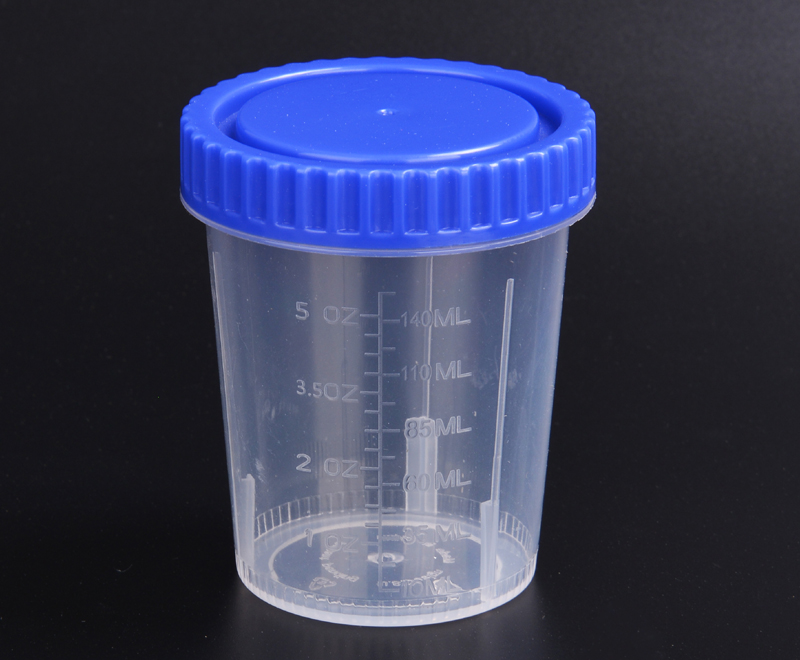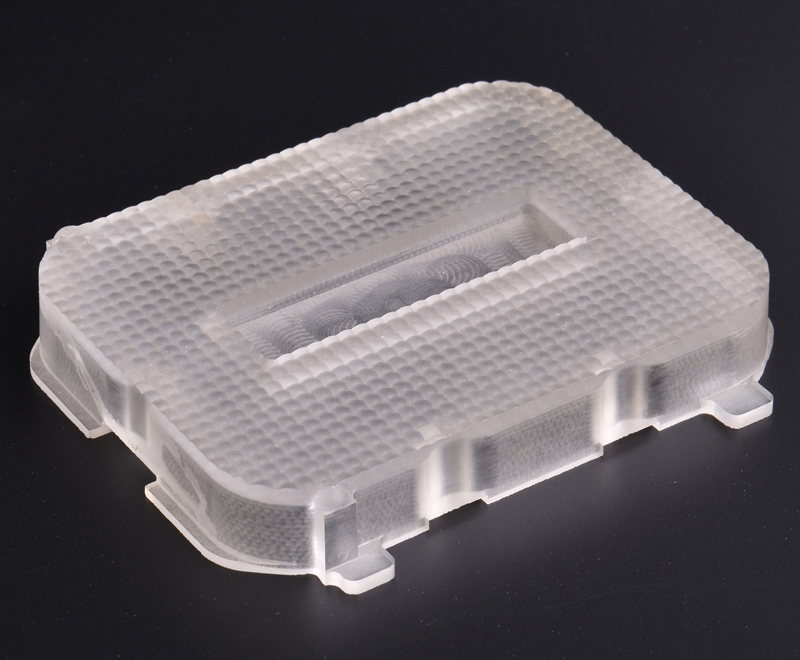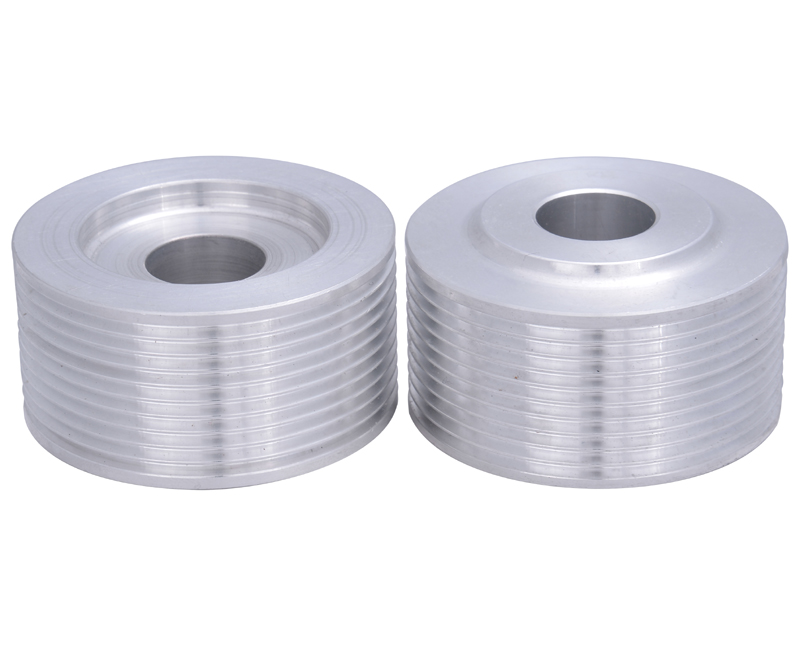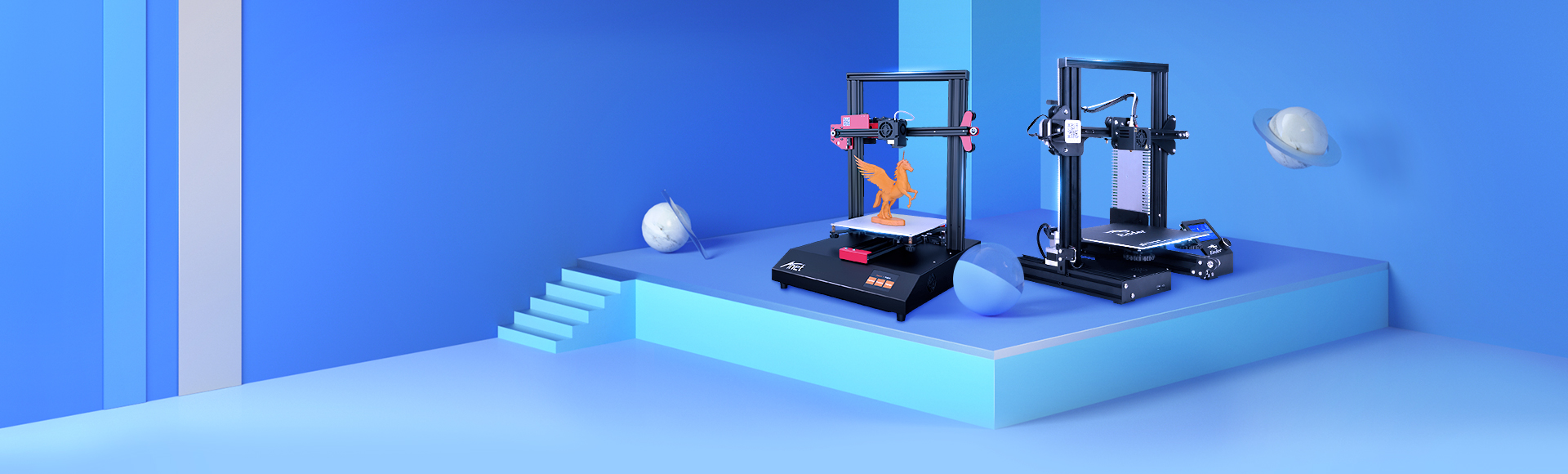
FDM (Fused Deposition Modeling) 3D printing at NICE Rapid supports prototype and low-volume parts in engineering thermoplastics. Parts are built layer by layer by extruding melted filament through a heated nozzle, following the geometry defined in the 3D CAD model.
NICE Rapid reviews part files and project requirements to recommend suitable materials, layer thickness, infill strategy, and post-processing options for each FDM project.
FDM is an additive manufacturing process in which a thermoplastic filament is melted and deposited through a print head, then solidifies to form each layer of the part. The process was developed by Scott Crump in 1988 and has since become one of the most widely used 3D printing technologies for prototypes and functional parts.
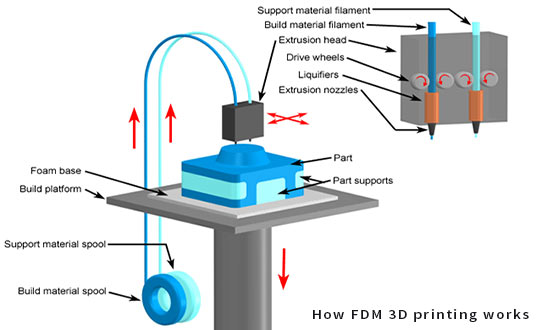
In FDM 3D printing, a thermoplastic filament is fed into a heated nozzle, melted, and deposited onto a build platform in thin layers. The nozzle moves in the X and Y directions to trace each cross-section, while the build platform or nozzle moves in the Z direction between layers.
The FDM system mainly consists of a print head, filament feeding mechanism, motion system, heated build chamber (where applicable), and build platform.
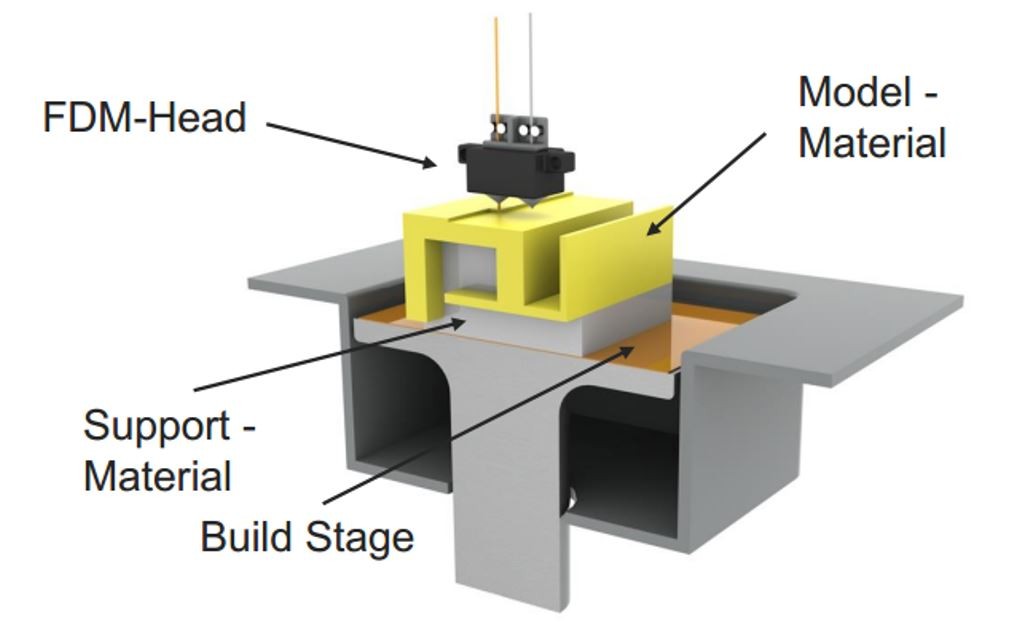
Support structures are generated where overhangs or complex features require temporary material to prevent collapse during printing. After printing, supports are removed and parts can be post-processed to improve surface finish and dimensional accuracy.
FDM 3D printing can use a range of thermoplastic materials, selected based on mechanical, thermal, and chemical requirements:
ABS offers excellent comprehensive performance, including strength, flexibility, machining performance, and higher heat resistance. It is often used for functional prototypes, housings, and mechanical components.
PLA is a biodegradable material that is easy to print with minimal warpage. It produces a mild, sweet odour during printing and typically does not require a heated build platform. PLA is commonly used for visual prototypes and concept models.
TPE and TPU are flexible, elastomeric materials used in applications such as automobile parts, household appliances, medical supplies, shoe soles, smartphone cases, and wristbands. These materials can produce parts with high elongation and good flexibility, but they are more challenging to print than rigid plastics, especially on systems with remote filament feeding.
Part quality in FDM 3D printing depends on several process parameters:
As-printed FDM parts typically show visible layer lines and may require post-processing to meet cosmetic or functional requirements. Common post-processing methods include:
For FDM 3D printing enquiries, the following information helps support an accurate quotation and manufacturing review:
If you have an FDM 3D printing project, you can submit a Request a Quote enquiry with your part files and requirements.