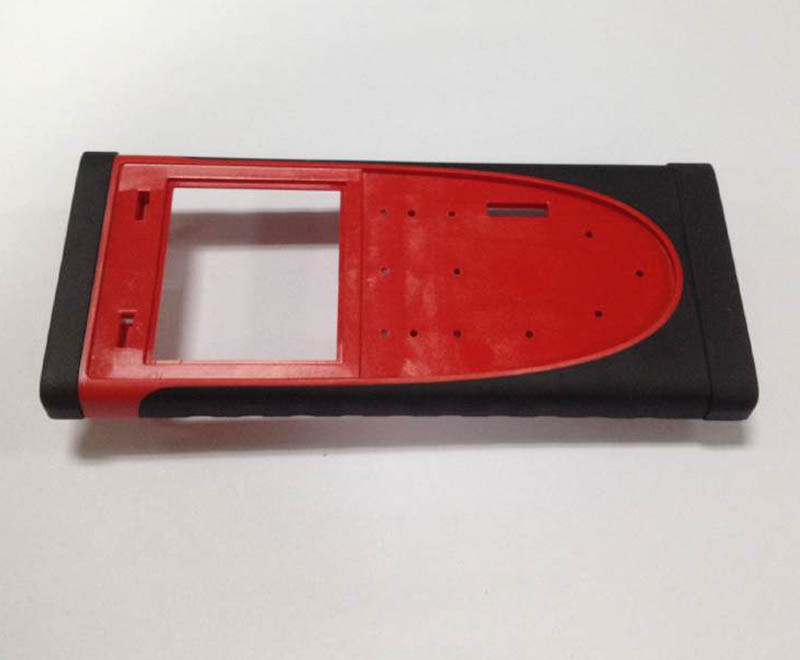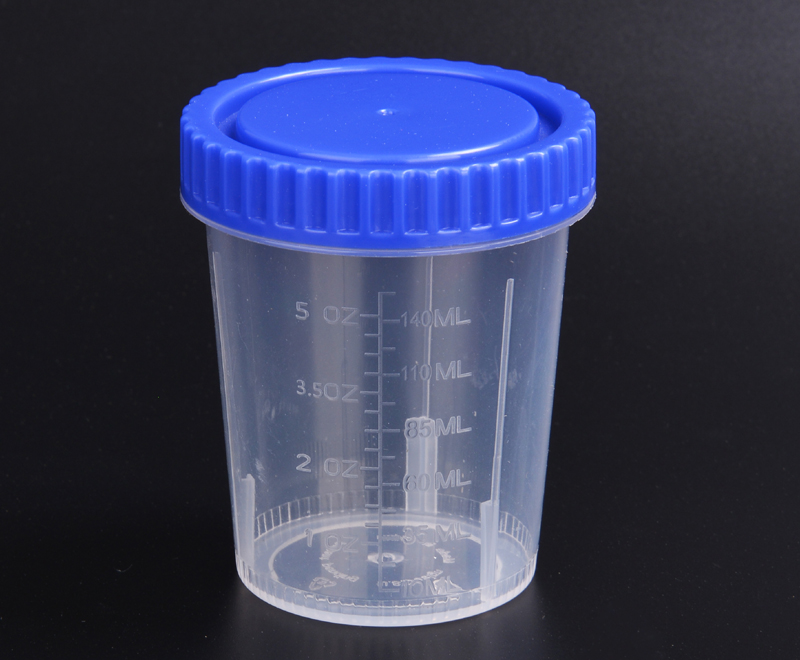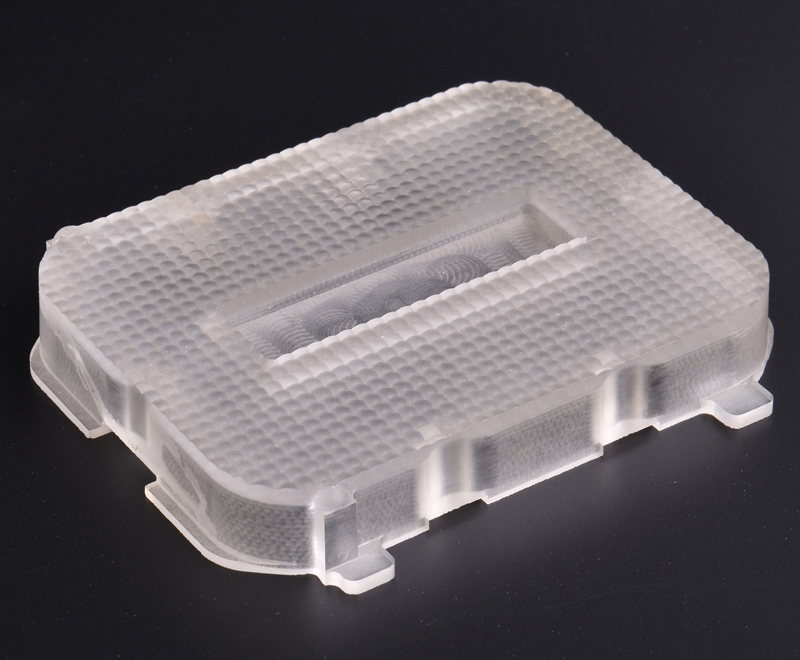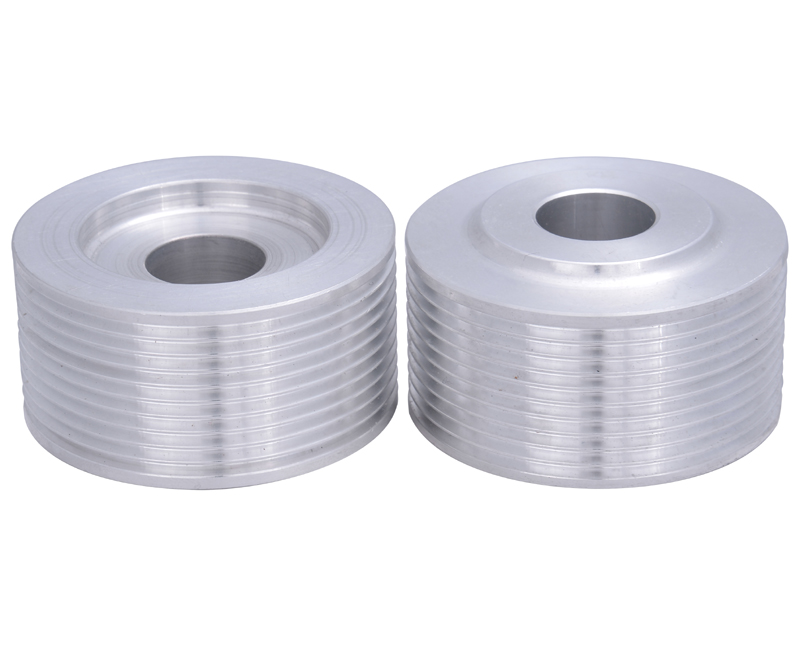
Rapid tooling injection-moulded plastic parts for prototype development, fit and function testing, pilot runs, and low to medium-volume production. NICE Rapid manufactures rapid aluminium and steel tooling to help customers obtain moulded parts in production thermoplastics before investing in conventional high-volume production tooling.
NICE Rapid reviews part geometry, resin requirements, target quantity, critical dimensions, surface finish, tooling structure, and delivery needs before manufacturing begins. For suitable projects, rapid tooling can provide a lower initial tooling cost and a shorter lead time than conventional production tooling.
Rapid tooling is commonly used for rapid injection moulding projects with low to medium-volume requirements. It may be suitable when a project requires production-material parts for design verification, functional testing, market evaluation, early production, or a bridge to long-term production tooling.
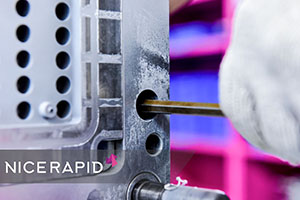
NICE Rapid builds rapid tooling using 7075 aluminium, pre-hardened P20 tool steel, NAK80, and S136 tool steel. Tooling components may include cavity, core, and ejector plates fitted into a Master Unit Die (MUD) mould-base with standard tooling components for injection moulding production.
The project process can include DFM design review, tooling manufacture, mould-flow analysis, first-off sample production, sample evaluation, tooling adjustment, production moulding, inspection, and packaging. Initial samples are typically available within 5 to 30 working days, depending on product complexity and tool functionality.
Tool material is selected according to resin requirements, part geometry, target quantity, tool functionality, and surface expectations. 7075 aluminium tooling may be textured and can be used for suitable prototype and low-volume projects. P20, NAK80, and S136 tool steels may be selected when a project requires different tooling-life, surface, or production conditions.
| Tooling Material | Typical Project Use | Production Volume Reference |
|---|---|---|
| Rapid aluminium tooling | Prototype, pilot-run, and selected low-volume injection moulding projects | Up to 5,000+ shots |
| P20 prototype tooling | Projects requiring increased tool durability and selected low to medium-volume production | Up to 250,000 shots |
| NAK80 or S136 prototype tooling | Projects requiring selected polished, gloss, or clear-surface requirements | Up to 100,000+ shots |
Rapid tooling can help shorten the route from a completed design to injection-moulded prototype or low-volume parts. Compared with conventional production tooling, suitable rapid tooling projects can be approximately 30–50% lower in tooling cost and can reduce tooling lead time by approximately 40–60%, depending on tool design, part complexity, cavity requirements, resin, surface finish, and project scope.
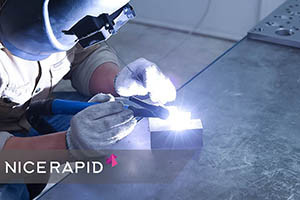
NICE Rapid reviews custom rapid tooling requirements before tooling manufacture. Part features such as wall-thickness changes, undercuts, ribs, bosses, threads, inserts, parting-line location, cosmetic surfaces, and assembly interfaces can affect mould design, cost, tool life, sample results, and production efficiency.
Rapid tooling can support projects that require moulded plastic parts before a full production tool is required. Suitability depends on the design, selected resin, quantity, surface requirements, quality expectations, and planned production stage.
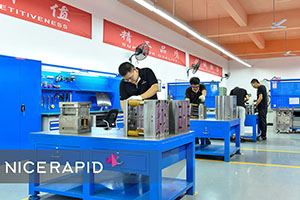
An equipment manufacturer required injection-moulded enclosure components for product validation and an early market-release programme.
Buyer Requirement: The project required production-material plastic parts with mounting features, internal ribs, cosmetic outer surfaces, and dimensions that needed to match mating components. The buyer also required a manufacturing route for prototype evaluation and a planned low-volume production stage.
Solution: NICE Rapid reviewed the 3D model, resin requirements, parting-line options, draft, wall thickness, gate locations, surface requirements, and target quantity. Rapid tooling was selected to support first-off samples and injection-moulded pilot-run parts before long-term production tooling was considered.
Result: The project progressed with a tooling and moulding route aligned with the part geometry, material requirements, cosmetic expectations, and planned production quantity.
Rapid tooling is used to produce injection-moulded parts for prototype development, fit and function testing, pilot runs, low to medium-volume production, and bridge-production programmes before conventional production tooling is required.
NICE Rapid uses 7075 aluminium, pre-hardened P20 tool steel, NAK80, and S136 tool steel for rapid tooling projects. Tool material is selected according to the resin, part design, target quantity, surface requirements, and expected tool life.
From initial DFM review through tooling manufacture, mould-flow analysis, and first-off sample production, rapid tooling projects are typically completed within 5 to 30 working days. Timing depends on product complexity and tool functionality.
Yes. Rapid tooling can be used in a standard injection moulding machine to produce parts in selected production thermoplastics. Resin selection, part geometry, surface requirements, and target quantity should be reviewed before tooling manufacture.
Yes. For parts requiring gloss, polished, or clear surfaces, NAK80 or S136 tooling may be selected. Final tooling material and cavity-finish requirements depend on the resin, geometry, surface standard, and project requirements.
A quotation review typically requires 3D files or 2D drawings, resin requirements, target quantity, critical dimensions or tolerances, surface finish, colour requirements, insert details, inspection requirements, and target delivery schedule.
NICE Rapid supports rapid tooling, injection moulding, CNC machining, prototyping, finishing, and low-volume manufacturing for custom plastic and metal components. For rapid tooling projects, NICE Rapid reviews the part design, resin, tooling material, surface requirements, production stage, and quality expectations before manufacturing begins.
This manufacturing review helps align the tooling approach with the required part function, material performance, tooling life, sample requirements, and planned production volume.
For rapid tooling enquiries, the following information helps support an accurate quotation and manufacturing review: 3D files or 2D drawings, resin requirements, target quantity, key dimensions or tolerances, surface finish, colour requirements, insert details, inspection requirements, packaging needs, and target delivery schedule.
If DFM feedback, mould-flow analysis, sample approval, material documentation, quality records, secondary finishing, or special packaging is required, please include these requirements with the project information.