When developing silicone components, one of the first and most critical decisions is which molding process to use. Silicone rubber compression molding, liquid silicone rubber (LSR) injection molding, and traditional plastic injection molding are all common options, but they serve different material types, production volumes, and performance requirements. Choosing the wrong process can lead to unnecessary tooling investment, poor part quality, or long lead times.
This article provides a practical process selection guide for engineers and procurement teams working with silicone parts. It compares silicone rubber compression molding with LSR injection molding and plastic injection molding in terms of tooling cost, cycle time, material behavior, and ideal application scenarios. The focus is on engineering logic and decision criteria rather than brand promotion, helping you choose the most suitable process for your project.
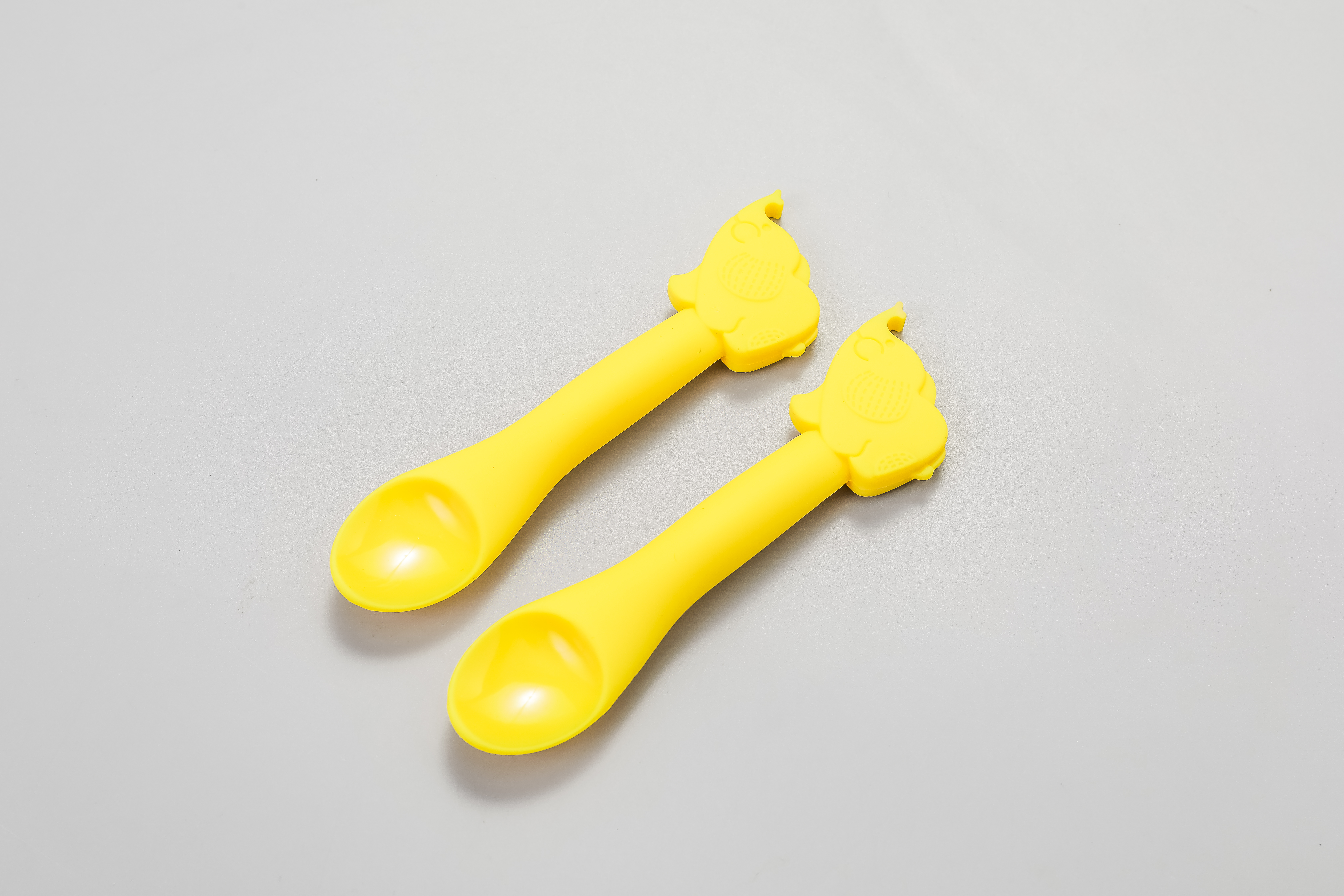
Silicone rubber compression molding is a process where heat and pressure are used to form silicone rubber components from a pre-formed solid material. The rubber material is placed into a mold cavity, then the mold is closed and held at a certain temperature until the silicone cures. After cooling and trimming of any excess material, the end result matches the design you create.
The work process is similar in concept to plastic injection moulding, but the pressure level, material form, and tooling structure are different. In compression molding, the material is not injected under high pressure; instead, it is pre-formed and then compressed into the final shape. This results in lower tooling costs and less material waste, especially when working with high-cost silicone compounds.
NICE Rapid Tooling Specialists uses silicone rubber compression molding as a core service for producing custom silicone rubber parts and silicone rubber molded parts. The process supports a wide array of lengths, thicknesses, and complexities, and the components are high in strength, making it an attractive option for many industries.
To make a rational process selection, it is important to understand the fundamental differences between silicone rubber compression molding, LSR injection molding, and plastic injection molding. These differences affect tooling investment, production efficiency, part complexity, and total project cost.
Silicone rubber compression molding is designed for solid silicone and other elastomers such as EPDM, urethane, and some polyurethane variants. The material is pre-formed into a shape close to the final part before being placed in the mold.
LSR injection molding specifically uses liquid silicone rubber, which is injected into the mold under high pressure. This process is optimized for high-volume production of medical, baby care, and consumer electronics components where repeatability and tight tolerances are critical.
Plastic injection molding is mainly used for thermoplastic materials such as ABS, PC, PP, and nylon. It relies on high pressure to fill the cavity and is ideal for mass-produced plastic components with high repeatability.
Tooling cost is often the most significant factor in process selection, especially for low to medium volume projects. Silicone rubber compression molding requires lower tooling investment compared with LSR injection molding, because the mold structure is simpler and the pressure requirements are lower.
LSR injection molding requires more complex and expensive tooling, including high-precision injection systems and temperature control. This is acceptable for high-volume production where the tooling cost can be amortized over many parts, but it increases risk for prototypes and small batches.
Plastic injection molding tooling cost is typically medium to high, depending on part complexity and production volume. It is more suitable for mass production where high cycle efficiency and tight tolerances are required.
For projects where tooling budget is limited and the production volume is low to medium, silicone rubber compression molding offers a more cost-effective solution.
Cycle time directly affects production efficiency and total lead time. Plastic injection molding offers the shortest cycle times due to high pressure and fast material flow, making it the most efficient for high-volume plastic components.
LSR injection molding also provides fast cycle times and supports fully automated production, which is critical for medical and consumer electronics applications requiring high repeatability.
Silicone rubber compression molding has moderate cycle times. The pre-forming step and slower curing process increase cycle time compared with LSR and plastic injection molding, but the process is still efficient for small to medium batch production.
Part complexity and design flexibility are important when the product requires intricate geometries, thin walls, or micro-features. LSR injection molding supports superior precision for micro-features, thin walls, and intricate geometries due to high-pressure injection and controlled material flow.
Silicone rubber compression molding is better suited for large parts, thick-wall designs, and components that cannot be produced through extrusion or high-pressure injection. It allows easier integration of inserts, making it suitable for overmolded or reinforced silicone parts.
Plastic injection molding provides excellent repeatability and is ideal for mass-produced plastic components with complex geometries, but it is limited to thermoplastic materials.
For large, thick-wall silicone components with moderate complexity, silicone rubber compression molding is often the most practical choice.
The following table summarizes the key differences between the three processes to support process selection decisions.
Process
Silicone Rubber Compression Molding
LSR Injection Molding
Plastic Injection Molding
Best For
Large parts, thick walls, low–medium volume
High precision, medical, baby care, high volume
Mass-produced plastic components
Tooling Cost
Low
High
Medium–High
Cycle Time
Moderate
Fast
Very Fast
Material Type
Solid silicone, elastomers
Liquid silicone rubber
Thermoplastics
For projects where tooling cost is a constraint and the production volume is low to medium, silicone rubber compression molding provides a balanced combination of cost efficiency and performance.
Silicone rubber compression molding is one of the most reliable silicone molding service options for projects that require flexibility in design, cost efficiency, and strong material performance. This process is especially suitable when the production requirements or part characteristics do not align well with LSR injection molding or other high-pressure methods.
It is an ideal choice in the following situations:
These scenarios highlight why silicone rubber compression molding remains one of the most versatile and cost-effective solutions for silicone rubber components across multiple industries.
Although silicone rubber compression molding is ideal for many low to medium volume projects, LSR injection molding and plastic injection molding are better choices in certain scenarios.
LSR injection molding is preferred when:
Plastic injection molding is preferred when:
For projects that involve both silicone and plastic components, a combination of silicone rubber compression molding and plastic injection molding may be the most practical approach.
An automotive supplier needed silicone seals for use in engine and transmission systems. The parts had to withstand high temperatures, chemicals, and repeated mechanical stress. The expected annual production volume was moderate, and the project required fast tooling turnaround for pilot validation.
Challenge: LSR injection molding would have required high tooling investment and longer lead time for tool fabrication. Plastic injection molding was not suitable because the material needed to be silicone with high elasticity and thermal stability.
Solution: NICE Rapid Tooling Specialists recommended silicone rubber compression molding with solid silicone material. The tool was designed with optimized venting and balanced part geometry to ensure even curing. Pre-forms were prepared to match the part shape, reducing flow distance and material waste.
Result: The compression molding process delivered seals with consistent dimensions and excellent mechanical properties. Tooling cost and lead time were significantly lower than LSR injection molding, and the pilot runs were completed within the required schedule. The seals performed reliably in the intended automotive environment, supporting long-term product performance.
Customers who have used NICE’s process selection support and silicone rubber compression molding services often highlight clear decision logic, fast tooling, and reliable part quality.
If your parts are large, thick-walled, or have long flow paths, and your production volume is low to medium, compression molding is usually more cost-effective. For high-volume, high-precision medical or baby care parts, LSR injection molding may be more suitable.
Plastic injection molding is suitable when the parts are made of thermoplastics and do not require the elasticity, thermal stability, or chemical resistance of silicone.
Yes. Compression molding allows easier integration of inserts, making it suitable for overmolded or reinforced silicone parts.
Tooling can be completed in hours to a few days, depending on complexity and size, enabling fast turnaround for prototypes and pilot runs.
In some cases, yes. However, the choice depends on material type, part geometry, production volume, and cost constraints. A process selection analysis is recommended to determine the most suitable option.
NICE Rapid Tooling Specialists is a fast-moving and leading rapid prototyping, rapid tooling, and low volume production manufacturing company based in Zhongshan City, Guangdong province, China. With more than 100 skilled staff and about 20 professional engineers dedicated to mold design, NICE has grown into one of China’s finest Rapid Tooling Specialists.
For silicone components, NICE offers professional process selection support, helping you choose between silicone rubber compression molding, LSR injection molding, or plastic injection molding based on your specific requirements. The company provides a wide variety of silicone molding services, including custom silicone rubber parts and silicone rubber molded parts for automotive, medical, consumer electronics, and industrial applications. With ISO 9001 certification and a “quality first, customer first and credit-based” management principle, NICE delivers competitive tooling cost, fast turnaround, and reliable after-sales service for global customers.
Process Selection for Elastomeric and Thermoplastic Components – Rubber Technology Journal Review
https://www.rttjournal.com/process-selection-elastomeric-thermoplastic-components
Design Guidelines for Silicone Rubber Molding – ASTM Technical Report
https://www.astm.org/technical-reports/design-guidelines-silicone-rubber-molding
Compression vs Injection Molding of Elastomers – Materials Science and Engineering Article
Thermal and Mechanical Performance of Silicone Elastomers – NIST Material Data Portal
https://www.nist.gov/materials/silicone-elastomers-thermal-mechanical-performance
Manufacturing Economics of Low-Volume Elastomer Parts – ISO Technical Guide
https://www.iso.org/technical-guides/manufacturing-economics-low-volume-elastomer-parts


